Fighting Back Against Daylight Saving Time Disruption with Smart Technology
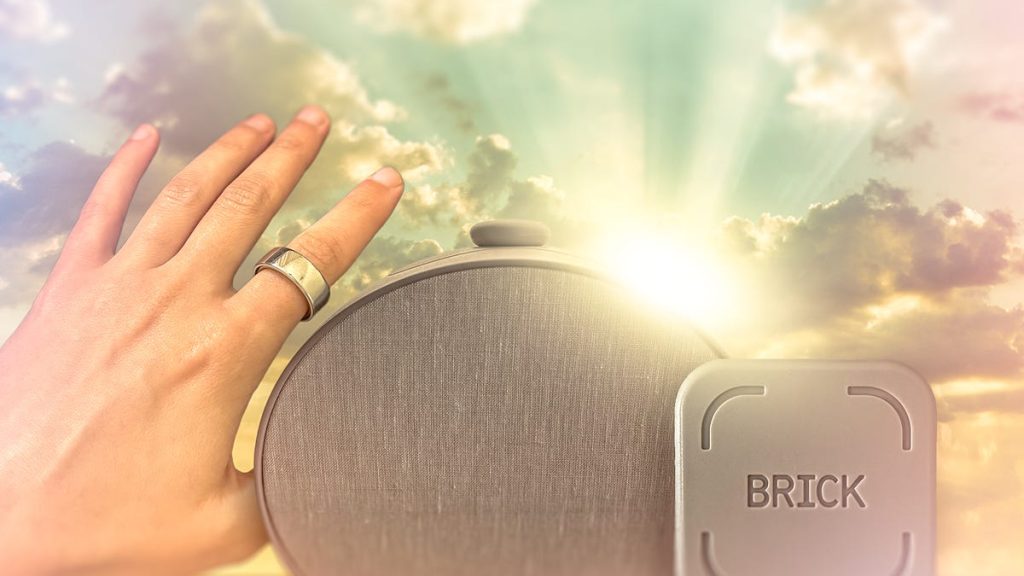
Sleep challenges become significantly worse during daylight saving time transitions. Even a single hour shift can severely disrupt our internal biological clocks, leading to fatigue, stress, and an overall sense of being out of sync. This seasonal disruption affects both physical and mental well-being for countless individuals.
Rather than simply enduring these effects, strategic use of wellness technology can help combat the negative impacts of time changes. By leveraging smart devices designed to support sleep regulation and overall health, it’s possible to minimize the disruption and recover more quickly from circadian rhythm disturbances.
Light Therapy Devices for Natural Wake Cycles
Sunrise simulation alarm clocks represent one of the most effective tools for managing time change disruption. These devices gradually increase light intensity to mimic natural dawn, providing a gentle awakening experience that works with your body’s natural rhythms rather than against them. The gradual illumination signals your brain to reduce melatonin production naturally.
These multi-functional devices often include white noise capabilities and customizable wake-up sounds for heavy sleepers. The combination of light therapy and soothing sounds creates an optimal sleep environment while ensuring effective morning awakening. Premium models offer extensive sound libraries, meditation content, and personalized sleep programs through subscription services.
Smart lighting systems provide an alternative approach for those seeking broader home automation. Modern intelligent bulbs allow scheduled brightness adjustments and color temperature modifications throughout the day. Warmer tones can simulate sunset conditions for evening wind-down, while cooler daylight modes support morning alertness.
Sleep Quality Monitoring Technology
Wearable sleep trackers provide valuable insights into rest quality that subjective feelings alone cannot capture. These devices monitor sleep stages, breathing patterns, and overall sleep efficiency, offering objective data to guide daily energy management decisions. Understanding actual sleep quality helps determine whether to maintain regular activity levels or adjust expectations for the day.
While various tracking options exist, including smartwatches and mattress-based systems, wearable rings often provide the most comfortable overnight monitoring experience. However, individuals prone to anxiety about sleep metrics should consider whether tracking might increase stress during already challenging transition periods.
Hydration Management Systems
Smart water bottles address a common issue during sleep disruption periods: inadequate hydration. Fatigue and irregular schedules often correlate with reduced water intake, which compounds tiredness and cognitive fog. Intelligent hydration systems provide timely reminders through visual cues and track daily consumption patterns.
These devices typically feature illuminated caps or smartphone notifications to prompt regular water consumption. Maintaining proper hydration becomes especially important when the body is already stressed from circadian rhythm disruption.
Digital Wellness and Screen Time Control
Exhaustion often leads to increased passive screen time and mindless scrolling behaviors. Physical device management tools offer more robust solutions than software-based screen time controls, which can be easily disabled. Magnetic blocking devices require deliberate physical action to access restricted applications and websites.
By placing these tools in inconvenient locations, users must make conscious decisions about device usage. This creates natural friction that encourages more intentional technology engagement and supports healthier offline activities like reading, exercise, or outdoor time.
Simplified Nutrition Solutions
Energy depletion during time transitions often undermines healthy eating habits. Kitchen appliances that streamline meal preparation become invaluable during these challenging periods. Air fryers enable quick preparation of nutritious vegetables, proteins, and snacks with minimal effort and reduced cooking oil.
Popular healthy air fryer options include roasted vegetables, sweet potato preparations, and legume-based snacks. These appliances can even handle complete protein preparations like whole poultry. Additional time-saving kitchen tools include high-powered blenders, pressure cookers, and stand mixers that reduce meal preparation complexity when energy levels are low.
Technology as a Recovery Tool
Strategic use of wellness technology can significantly ease the burden of seasonal time changes. These devices serve their intended purpose of simplifying daily life precisely when support is most needed. By addressing sleep, hydration, nutrition, and digital wellness simultaneously, individuals can create a comprehensive approach to managing daylight saving time transitions more effectively.