Matthieu Blazy’s Transformative Vision for Chanel: From Caterpillar to Butterfly
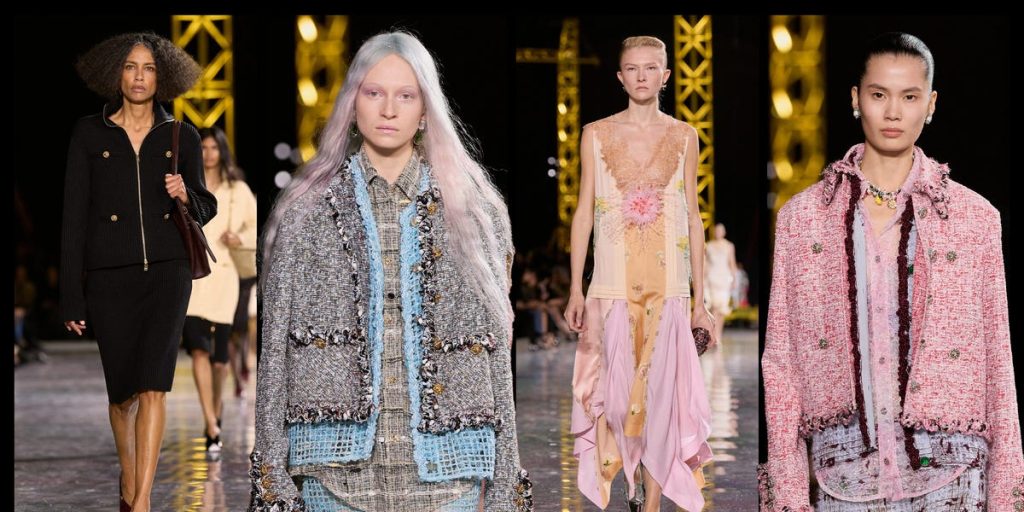
Following his spectacular inaugural presentation that sparked excitement throughout Chanel’s Parisian retail locations, Matthieu Blazy has continued to delve deeper into the fashion house’s rich heritage. Drawing inspiration from a 1955 interview where Gabrielle Chanel told a French newspaper that ‘Fashion is both caterpillar and butterfly,’ Blazy explored the concept of transformation that resonates with modern women worldwide. The founder’s wisdom continued: ‘Be a caterpillar by day and a butterfly by night,’ addressing the universal challenge of transitioning from daytime practicality to evening elegance.
This philosophy of metamorphosis became the foundation for Blazy’s latest collection, which tackled the age-old question of how contemporary women can navigate their multifaceted lives through clothing. The designer’s interpretation addressed the need for garments that could seamlessly transition from professional settings to social occasions, embodying both functionality and glamour.
Reimagining the Classic Suit
The presentation commenced with a series of relaxed interpretations of the iconic Chanel suit, crafted in merino wool and silk. These opening looks featured generous proportions and were styled with casual elements like oversized shirts, knee-length skirts, and backless mules in accessible materials such as denim and black wool. Model Anok Yai, who has become synonymous with Blazy’s aesthetic vision, showcased the first of several drop-waisted gowns that represented the designer’s ‘crawling’ garments for daytime wear.
A revolutionary approach to the house’s signature pearls accompanied these pieces, featuring oversized stones that had been split open and filled with pearls meticulously crafted by Japanese artisans. This innovative jewelry design marked a departure from traditional pearl presentations while maintaining the luxury associated with the brand.
Modern Interpretations of Heritage Elements
The collection demonstrated a lighter, more contemporary approach to Chanel’s traditionally structured aesthetic. The rigid formality historically associated with tweed suiting gave way to relaxed styling that emphasized current lifestyle needs. Suits were presented in various configurations, with particularly compelling looks featuring layered cardigans and open shirts worn untucked with upturned collars.
A significant design element throughout the collection was the repositioning of waistlines to create drop-waist silhouettes on both dresses and suit separates. This styling choice, which positioned belts below the hip, paid homage to Gabrielle Chanel’s own preference for this particular silhouette during the 1920s.
Innovative Fabric Technologies
One of the collection’s most striking innovations involved printing tweed patterns onto chainmail fabric, a technique inspired by an Edwardian chainmail purse that the house’s founder favored. This experimental approach resulted in garments with remarkable iridescent qualities that created captivating visual effects as models moved through the venue.
The hair styling, overseen by Duffy, complemented the collection’s transformative theme through elaborate French twists and chignons adorned with glittering accents. Some models wore flowing gray hair enhanced with subtle lavender and steel blue-gray tones, reinforcing the show’s ethereal aesthetic.
Collaborative Craftsmanship
The presentation featured extensive collaboration with Chanel’s specialized ateliers and partner workshops. Lemarié, the house’s featherwork specialists, contributed vibrant pink and orange plumage for a series of 1920s-inspired flapper dresses given contemporary updates. Additional partnerships with embroidery houses Montex and Lesage resulted in innovative fabrication techniques that incorporated black and yellow sequins into various garments.
Particularly noteworthy were experimental combinations of rubber and silk applied to cotton gauze, creating what Blazy described as ‘action painting’ effects on suiting. These Jackson Pollock-inspired treatments created a rich tapestry of color and texture throughout the collection.
Building on Foundations
While Blazy’s previous season focused on establishing his vision for the house, this collection demonstrated his commitment to expanding upon that foundation. This theme was reinforced by the venue’s decoration, which featured construction cranes illuminated in vibrant neon colors throughout the Petit Palais, symbolizing the ongoing renovation and evolution of the Chanel brand.
The visual metaphor of construction work in progress suggested that the fashion house remains in active development under Blazy’s direction, with results that demonstrate both respect for heritage and bold innovation for the future.